


Solinatra brings together bio-based and naturally sourced ingredients in complete material formulations. Compostability is assessed for the specific grade, finished product and treatment conditions.
Compostability of Natural Engineered Materials

Designed around what happens after use
Responsible end-of-life starts with material development. We consider the application, required performance and available treatment routes when developing Solinatra Natural Engineered Materials.
Where composting is the appropriate route, performance is assessed for the finished product under defined conditions. Material formulation, thickness and product design all influence the outcome.

Industrial composting
Industrial composting uses controlled treatment conditions. Certification identifies the products covered and the requirements they meet.
Before placing a product in a food-waste collection, check that your local service accepts it. Certification and local collection acceptance are separate considerations.
Home composting
Home composting operates under different and more variable conditions.
Industrial compostability certification does not establish suitability for a garden compost bin. Home composting requires specific supporting evidence and disposal instructions.
Suitability for bokashi or worm-composting systems must also be assessed separately.
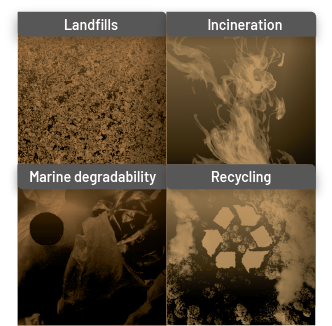
Different environments require different evidence
Compostability describes performance in a defined composting environment. It does not establish how a product behaves in soil, freshwater or marine conditions.
Applications such as mangrove planters require their own assessment for the formulation, product and conditions of use.
Follow the specified route after use. Compostability does not justify disposal in nature.

Connecting materials with the right treatment route
Composting can provide an organic recycling route for suitable products where collection and treatment systems accept them.
For Solinatra, responsible end-of-life means connecting material design with product-specific evidence, clear disposal instructions and the infrastructure available in the target market.
TÜV AUSTRIA industrial compostability certification

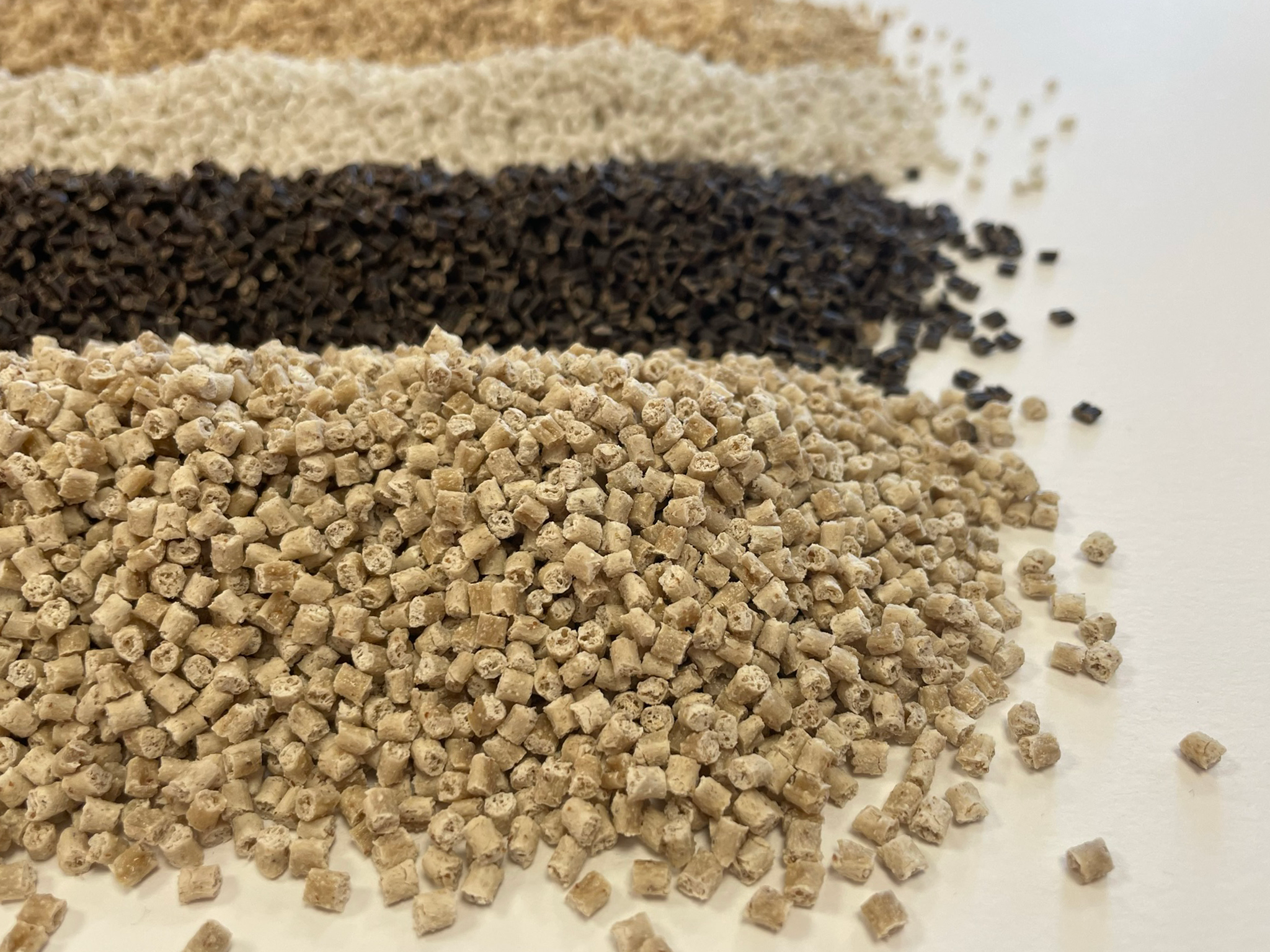
Selected Solinatra grades have received OK compost INDUSTRIAL certification from TÜV AUSTRIA:
Universal Food
Universal Dark
The OK compost INDUSTRIAL scheme addresses compostability under industrial composting conditions, using EN 13432 as its reference standard.
Certification applies within the scope and conditions of the relevant certificate. A certified material does not automatically make every finished product made from it certified. Product thickness, additional components and the finished configuration must also be considered.
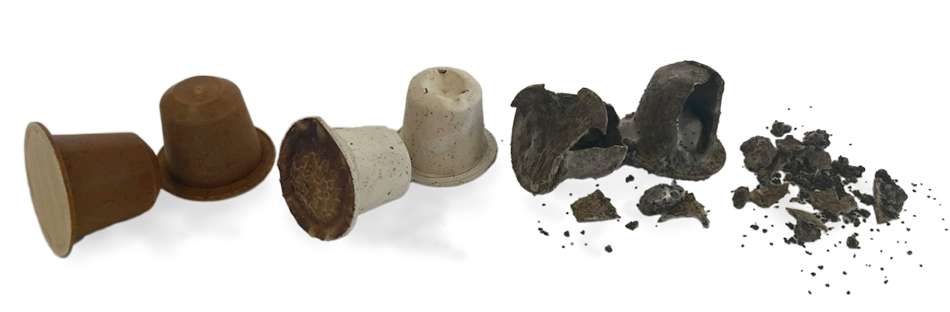
Composting performance in focus
Visible disintegration shows how the product breaks apart. Biodegradation is assessed separately through testing. Together with other compostability requirements, these results help establish suitability for the specified treatment route.
Results relate to the tested product and conditions. They should not be applied to other grades, product formats or environments.

Find the right route for your product
Discuss your application, target market and available waste-treatment infrastructure with the Solinatra team. Request grade-specific information, compostability evidence and guidance for your product format.
Newsletter
Receive updates on Natural Engineered Materials, applications and testing.
Technical and sales enquiries